Showing posts with label Wiki Coffee. Show all posts

Facts You Never Knew About Coffee

3:53 PM 2


So, what is coffee? Now this might seem like an obvious question, but the real answer is going to surprise you. Of course it's a hot beverage made from brewing roasted and ground beans, but did you know that those beans aren't actually beans at all, they're fruit pits. Coffee beans are seeds from the bright red berries of the coffee plant.

In fact, the beans that come out of the berry aren't even the brown color that we're all familiar with. They're actually green. They only become brown through the process of drying them out and roasting them which caused them to pop and double in size, and if you were to walk into a cafe, you could order any number of different coffee beverages, however they aren't made with special beans.

Drinks like espresso use the same beans as a regular cup of coffee only ground much finer. But perhaps one of the most fascinating things about it is that that simple beverage that you drink every day is much more. It's actually the second most valuable commodity traded by developing countries, second only to petroleum.

So, who discovered coffee? Well, it's believed that coffee originated in Ethiopia as far back as the tenth century, but the first evidence of drinking it was in the Sufi Monasteries of Yemen in the 15th century. The effects of coffee were discovered when farmers found their goats eating the berries of the coffee plant and then found them acting crazed as they started running around and dancing. Does anyone else want to see a bunch of baby goats jumping and dancing around or is that just me?

Now, instant coffee was invented in 1906 by a Belgian man named George Washington, not the president, who was living in Guatemala, but that's not the only great invention involving coffee. In 1991 at Cambridge University, a small group of scientists fed up with always finding the coffee pot empty, set up a camera pointed straight at the break-room coffee machine. They streamed the footage live on the web so that they could see before standing up if there was any brew left. That's right. The first webcam ever made was for coffee.

Where does coffee come from? Needing specific conditions to survive, all coffee is grown along the strip of the earth called the coffee belt. This tropic area delivers lots of sunshine and heat to the coffee plants. Exported from these areas, coffee is sent all over the world and often in ridiculously large quantities.

For instance, did you know that New Yorkers drink nearly seven times more coffee than any other city in the USA, or how about the Netherlands, where people consume an average of 2.4 cups of coffee every day. The entire population must be constantly trembling on a caffeine high.

When does coffee affect us the most? Well, research shows that coffee is most effective if it's consumed in late morning, specifically between 9:30 and 11:30 am. It only takes about 10 minutes to start feeling the effects of coffee on your body, and it's been proven that drinking coffee before a workout leads to a better physical performance.


Not only does caffeine increase adrenaline, but it releases fatty acids from fat tissues and increases your metabolism by as much as three to 11 percent. It's also important to note that if you're one of those people who have lived on energy drinks and have since replaced them with coffee, it might interest you to know that there is more caffeine in a single grande cup of coffee than your average energy drink.

So, why should we drink coffee? Well, believe it or not, drinking that cup of coffee can actually extend your life. Coffee is the dominant source of antioxidants in the average diet in Western civilization. Those antioxidants help the body fight off diseases such as Parkinson's disease, type 2 diabetes and heart disease.


In addition, consuming a cup of coffee significantly improves blood flow. Studies have shown that people who drink upwards of four cups of coffee a day are 80% less likely to develop a condition called cirrhosis. If that wasn't enough for you, another study revealed that regular coffee drinkers are 65% less likely to develop Alzheimers, so, as it turns out, that cup of coffee isn't bad for you after all.

Green coffee bean

6:36 PM 4
Green coffee bean
Green coffee bean - In many parts of the world, the day begins with a 'good cuppa'!! Tea and Coffee are two most consumed beverages world over and for many populations, a superb start to the day is provided by a steaming hot cup of tea or a frothy cup of coffee.

The time period 'Green Coffee' has suddenly crept into the food vocabulary of the world in recent years. Though Coffee as a beverage has been consumed by populations over a number of centuries, it is as if somebody has all of a sudden rediscovered the 'Green Coffee' part of common Coffee.

Green Coffee bean is the name that is used for immature or unroasted coffee beans that are a pale inexperienced colour in comparison to the mature bean which has a brownish or reddish shade with a tinge of yellow hue sometimes. These immature coffee beans are usually processed for removing of 'mucilage' and outer pulp; a waxy layer of outer floor stays intact.
Green coffee bean
'Mucilage' is a glycoprotein and exopolysaccharide, a gluey, thick substance produced by virtually all crops and a few microorganisms. It performs an essential role in seed germination by storing food and water.

The dried coffee bean, containing each volatile and non-unstable compounds, usually weighs between 300 and 330 mg per bean.

In the middle of the new millennium, Inexperienced Caffeine started to be touted as a supreme well-being and dietary supplement. The chlorogenic acid content material of green coffee has been the main target of many clinical trials; it is being increasingly utilized in weight-loss health dietary supplements and weight loss plan packages for its lipolytic properties.
Green coffee bean

The contents of Green Coffee bean

Green Coffee bean comprises unstable in addition to non-volatile compounds, alkaloids, amino acids, carbohydrates, lipids and proteins. Caffeine is the commonest alkaloid current in each green and roasted coffee and is unaffected by any changes within the maturation of the coffee beans from inexperienced to brown. Others like libertine, methyl libertine, paraxanthine, theobromine, and theophylline are found in lower percentages; the concentration of theophylline, an alkaloid which can be found in inexperienced tea, is substantially lowered in the means of roasting the coffee beans whereas others stay unchanged.
Green coffee bean

The info on the contents of Green Coffee bean makes for fascinating reading

• Proteins account for around 12% of the composition of inexperienced coffee beans; a majority of these degrade to free amino acids during the maturation process. The degradation is brought on by natural acids like chlorogenic acid. Enzymes resembling catalase, oxidase and polyphenol make up the other proteins that are equally mandatory for the maturation technique of inexperienced coffee.

• Carbohydrates account for almost 50% of dry weight of the bean, however, provides no vital contribution to the flavour.

• The full lipid content material may very well be from 11.7 g to 14 g per one hundred grams of dried coffee. A few of the extra prominent lipids in inexperienced coffee are amides, arachidic acid, diterpenes, esters, linoleic acid, oleic acid, palmitic acid, stearic acid, triglycerides, and unsaturated lengthy-chain fatty acids.
Green coffee bean
• The chlorogenic acid present in green caffeine is part of a compound group called phenolic acids, an antioxidant group. Greater than 70% of this invaluable part is lost whereas roasting; only a residual 30mg per gram remains within the roasted bean.


• The risky compounds embrace nitrogen containing molecules which trigger a disagreeable odor and taste in the green coffee beans. These compounds generally additionally cause nausea and vomiting on inhalation of the odor. Though inexperienced coffee beans retain more antioxidants and vitamins, they cannot be utilized by themselves for beverage preparation; roasting permits for the molecules to launch fresh and nice aroma which is extra conducive for consumption. Nonetheless, a lot of the nutritional vitamins and antioxidants are lost in the strategy of roasting Green coffee bean.


How to make Ethiopian coffee

1:40 PM 0
How to make ethiopian coffee

How to make Ethiopian coffee - If Japan has a unique tea ceremony and full of rituals, Ethiopia as a coffee producing countries also have a tradition of drinking coffee.  This tradition is still often held in cities and the countryside, with the typical way of presenting coffee. For the Ethiopians, were invited to the coffee drinking ritual is such a great honor and a sign that the person is considered to be good in social life or considered as good friends. This tradition is also performed to welcome guests as well as on the days of celebration.

The manufacturing of coffee accounts for roughly 25% of the employment in Ethiopia. Ranked seventh on this planet in terms of production, Ethiopia is a significant contributor to the global coffee economy. However that is in the present day - the most important contribution happened a whole bunch of years ago.

Coffee is usually believed to have originated in Ethiopia. Contemplate all the properly-known coffee corporations (Starbucks, Folgers, Peet's) and simply assume - none of these would have ever existed except for one simple reality: The goats favored it.

Procedures how to make Ethiopian coffee


Just as the tea ceremony in Japan, the preparation procedure How to make Ethiopian coffee also takes a long time. Typically, the entire process is performed by women, wearing traditional dress. Equipment used is also very traditional. The following is sequence of procedures for typical Ethiopian coffee ceremony:

Coffee brewer spreading a row of aromatic grasses and flowers on the floor and burned incense such as frankincense to drive away evil spirits.Small cups prepared on trays in a position closely each other.

How to make ethiopian coffee

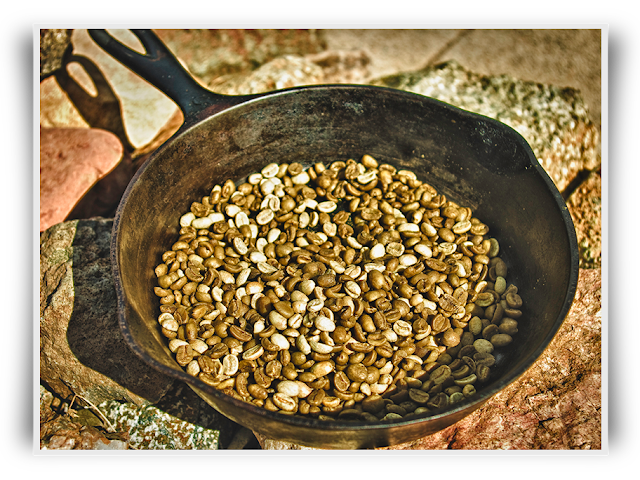
Special pottery jug called Jebena filled with water, closed with a stopper made from straw, and boiled over low heat. The green coffee beans are then cleaned and roasted on a griddle while occasionally stirred or shaken. Coffee beans are usually roasted until it reaches maturity level to medium or even black and shiny because it turns oily. The coffee aroma should be smelled by those who were in the room.

How to make ethiopian coffee

How to make ethiopian coffee

The coffee beans are milled using a kind of mortar and pestle called mukecha and zenzena. Once this process is complete, usually the water inside Jebena already seething. Coffee brewer then inserts the coffee powder sufficiently.

Coffee brewer then poured coffee from a height for about 30 cm into each cup without breaking the flow and leave the coffee powder remains in the jug. The most elderly people or most respected usually offered first. Additional guests can be adding sugar (or salt if in rural areas).

How to make ethiopian coffee

By tradition, the guests also must praise the coffee brewer on its expertise in making and brewing the coffee. While enjoying a drink, people can gossip, exchange news or discussing social and politic.In the Ethiopian-style coffee tradition, anyone who offered would be considered disrespectful if drank less than 3 cups, in which each treats each called Abol, tona and baraka. This is because the third cup is considered as a blessing for the guests, so it is considered rude to refuse.That is the overall process of How to make Ethiopian coffee.

Green Coffee Beans for Roasting

1:31 PM 4
Green Coffee Beans for Roasting
Green Coffee Beans for Roasting - For many people, breakfast is not full till one enjoys a good cup of caffeine. Many enjoy their cafe with cream, with cream and sugar or just take pleasure in a great cup of cafe with nothing added.For many that cup of caffeine is solely brewed at house utilizing an automatic coffeemaker or by purchasing a cup of caffeine down on the local diner or by ordering at a local caffeine shop. Nevertheless, for some coffee drinkers it could come as a shock that the unique colour of the caffeine bean isn't brown, but green.

Brown is the color that the caffeine bean takes on after it has been roasted.Actually, many cafe lovers are selecting to roast their own coffee beans. Subsequently, the choice of good green caffeine beans is paramount and when selecting green cafe beans there are particular components to consider. These elements embody the actual look of the bean where the green caffeine beans were grown, and the very best methods to buy this product.
Green Coffee Beans for Roasting

The Green Coffee Beans for Roasting Look

The first basic factor to consider when choosing green coffee beans for roasting is the appearance of the bean. The green cafe beans that are chosen should be uniform in their shape and size. This is because of the fact that when the caffeine lover begins to roast the beans there must be uniformity in that roasting process. This uniformity will permit for a constant tasting cup of coffee.
Green Coffee Beans for Roasting
In addition, when looking at green caffeine beans it can be crucial that the color of the cafe bean is uniform as well. Any unevenness within the colour might suggest an issue skilled when the caffeine bean was dried. This unevenness in coloration could produce an unbalanced favor.
Geographical Area

Another vital consideration when deciding on green coffee beans is to find out where the caffeine bean was grown. Inexperienced cafe beans could be harvested from international locations everywhere in the world. For instance, green caffeine beans will be obtained from the mountains of Columbia to the mountains of Hawaii.
Green Coffee Beans for Roasting
Obviously, the flavors differ in taste relying upon the place the coffee bean is grown.As well as, decaffeinated green caffeine beans might be obtained from nations resembling Costa Rica, Columbia, Guatemala, etc.

How To Discover Green Coffee Beans for Roasting

If out there for green caffeine beans the easiest way to buy and select this product is by looking out the Internet. In addition, contact the native specialty coffee shop and ask for their enter relating to the purchase of green cafe beans. Also, if you already know of individuals who roast their own green coffee beans ask them for his or her opinion concerning their favourite bean as well as the place they bought those cafe beans.
Green Coffee Beans for Roasting
Also, many firms provide sampler packages. These packages usually comprise quite a lot of green coffee beans from various parts of the world. This gives the buyer a possibility of patterning a variety of globally produced green coffee beans for roasting.

See also : TYPES OF ROASTED COFFEE BEANS BY DEGREE LEVEL

COFFEE BARISTA

11:06 PM 3
coffee barista

Along with the growth of food & beverage businesses, particularly in this case coffee shop make a Coffee Barista became seizure of the businessman in the food and beverage world. Before going further, do you know what is Barista? Barista, probably nobody knows, and perhaps there is also unfamiliar in our ears. Barista is someone who determines the taste and enjoyment of artistic presentation in every coffee shop product. Barista in charge of making and serving espresso-based coffee to customers. the word "barista" is an Italian language meaning "barman", and worked as a barista is a respectable position. Barista position in the outlet as the spearhead for us to share the pleasure of a cup of coffee and the meaning of friendship.

And the espresso is not just a regular coffee because espresso is the climax and perfection of the coffee. To make a cup of espresso, a coffee barista required not only rely on an espresso machine ( NOT People behind the Machine ), as we know there is an espresso machine that is only just press the button then everything was finished, but more than that a Barista should be able to make adjustments on standard espresso and uniqueness of the customer. So do not be surprised if a barista is said to be a key position for the success of a coffee shop.

For Being a coffee barista, you should really like and engage directly with coffee. My friend told me to become a professional barista you have to start from zero and requires dedication and hard work to succeed. Required insight into the type of coffee beans as well as skills in using a set of tools Coffee Machines and accessories to produce the desired coffee character, for example, slightly acidic, level of medium bitterness and intense of aroma.

SEE ALSO - GUIDE TO COFFEE CUPPING AND COFFEE TASTE

SEE ALSO - COFFEE ACIDITY TASTE DEFINITION


The good Coffee Barista is able to explain the various kinds of coffee flavors and can prove it through the coffee taste that he or she has made, for example, customers want to drink coffee predominant bitter or sour. Barista can make coffee as desired by combining the appropriate types of coffee, adjust the grinder settings to produce the appropriate refinement level of coffee powder, adjust the pressure on the tamping process and so on. Besides the ability to make coffee that will define the flavor, Barista also required sense of art, this is one of them applied in the Latte Art, painting images contained on the surface of the cappuccino foam or caffe latte. The more beautiful paintings, the higher appreciation. Besides Latte Art, there is also a technique of making Layer on a specific drink.

SEE ALSO - A COMPLETE GUIDES OF COFFEE GRINDER TYPES


It is impossible to be achieved if the coffee barista is not equipped with knowledge about the coffee characteristic, espresso characteristic, flavor expertise, and high working experience. Preparing espresso shot involves a number of complex, detailed process, ranging from adjusting the grinder (coffee bean grinder) to determine its rugged or fine coffee ground, dosing, leveling, tamping to achieve a  standards espresso flow, the standards here are not we define as one shot as much as 25 ml for 20-30 seconds, but achieve the best spot of the coffee character. Best spot is the one that requires the complexity of a Barista.

SEE ALSO - HOW TO MAKE ESPRESSO COFFEE


Coffee barista 2

It was from the technical side, in addition, a barista must also be able to enjoy along with the customer and explain it as a form of technical expertise he has. A step further, eventually a Barista able to realize an enjoyable art performance of espresso in latte art form.

A barista job description is a little different from ordinary shop assistants. The thing that differentiates is a coffee barista is required to be a multi-tasked person. That is, barista not only serves as a waiter but also could be a cash register, can be house-keeping, it means caring for and cleaning items related to the household, such as plates, cups, and more. In addition, barista also expected to operate all the tools used. In fact, a barista can repair crashes or slightly damaged tool unless the equipment is really needed the help of technicians, of course.

In practice, a Barista job is not limited to preparing the coffee, but the barista can also make hot chocolate, tea, and other beverages. In the world of Barista itself there are also certain classes, Primo is the highest grade level in Barista. In addition to having high skills in preparing coffee, Primo also have more value in terms of service and performance.

coffee barista frothing milk

THE COFFEE BARISTA ROLE

When preparing an espresso, a barista's basic goals should be to:
  • Create a dose of consistent mass every shot.
  • Choose the grind setting that will provide the desired flow resistance.
  • Distribute the dose evenly to provide uniform resistance to the water.
  • Tamp with enough pressure to eliminate void spaces within the coffee bed and to seal the surface of the bed.
  • Ensure the brewing water is of the desired temperature.
  • Complete all of these tasks efficiently.

WHAT DOES IT MAKE A COFFEE BARISTA SUCCESSFUL ?

If you have a chance and want to work related to coffee, you must know that coffee should be in the cup, and you have to really love coffee. It should also be tasting coffee every day to make sure it feels good for the customer. Because it's useless to make a coffee if you do not know about it. Be prepared to work very hard and spend most of your time around coffee. Never stop learning about coffee. In addition, the barista should love the process of changing the taste coffee to make it delicious. There is currently no school for a barista, not like being a chef that already exists school. Very difficult indeed to learn to become a coffee barista.

You can try to enter the barista competition. The important thing is not to win the prize, but to increase knowledge, add contacts, as well as add risk to the excitement, and it turns out that can make you win the competition. You can try to follow the local competition and then gradually to follow the international competition.


IS THE COFFEE BARISTA PROFESSION PROMISING ?

Not just a career in the store, but barista could widespread his career. For example, the coffee machine manufacturer now starts to listen to the barista. coffee processors are also looking for ways to be able to talk with the barista so that they know what is barista looking for. Had coffee machine manufacturer know, that the grinder tool make a barista headache, if it could be reduced, it might be more machines purchased by barista and coffee shop. If the coffee machine can reduced the noise, there would be coffee shops which provide the location for customers to talk and relax. Coffee Barista needs to convey its opinion to that coffee machine manufacturer. Roaster, farmer, and coffee plantations also need barista.

coffee barista coffee latte

Indeed, there was a time in the beginning, they do not need input from the barista. However, there will be a time when the coffee industry is more developed and they should be able to provide more and satisfy the customers' needs. That's where they needed the coffee experts, the barista. They would be needed by companies to provide input, to develop coffee, and so on. So, I think, would be a promising career as a barista and will continue to grow as long as the baristas could be professional and act like a professional. As the chefs and wine experts. However, unfortunately, until now there has been no school for training the coffee barista.

COFFEE DRINKING LIFESTYLE IN CHINA

2:19 AM
Coffee drinking lifestyle in china

Based on research data, the number of the coffee shop and coffee drinking lifestyle in China has doubled from 15,000 to 31,000 during the 2007-2012 period. So even with one of the international coffee chain already has branches throughout the world, currently has about a thousand outlets in China and is targeting 1500 outlets in 2015. It is a bit surprising, as we know, China is known their high consumption of tea drinking.

For the China citizens, Tea drinking has become a ritual, tea culture known since 3,000 BC. The goal is to get the freshness of the body during meditation which takes hours so tea drinking makes them eager and do not feel sleepy.

Tea has a uniquely formed phenomenon. Society makes tea brewing and tasting as art. For them, drinking tea make a brotherhood, symbol of apology, respect and also relaxation. Because when brewing tea and then enjoy it with relaxation is the time which the conversation begun from mild to severe implemented.

COFFEE DRINKING LIFESTYLE IN CHINA

According to Morgan Stanley research, China's current population is 1980 births or over. This makes China's mostly young people which want to always follow the development of the times. coffee drinking lifestyle in China is a reflection of the developed countries symbol, friendship and  relationships is an important value in China. This development is a major driver of increasing the meet and relax phenomenon at the coffee shops. A new lifestyle of Chinese urban communities.

With the coffee culture popularity increase, the import of coffee beans needs to increase also. Lately, coffee import market in China is increasing, there is a local and nonlocal importer which exporting coffee to China. Also with local production of coffee beans in Yunnan area. Farmers in Yunnan perform intensive agriculture on coffee because of the great demand from the market.

Besides the retail coffee shop, there is enough coffee shop that sells single-origin especially in the city of Shanghai. Some coffee shop, have also been aware the importance of developing local coffee quality (Yunnan). Moreover, it was suggested to drink coffee without sugar.

Widespread coffee shop and growing coffee drinkers in China does not mean eliminating the tea drinking culture. However, tea is now more often done for celebration. Such as New Year or Spring Festival, a number of state institutions often held a tea party.With the increase of coffee drinking lifestyle in China continuously, the coffee exporting countries will compete more closely in their coffees export.

SEE ALSO: 5 COFFEE TRENDS YOU MUST KNOW

CAFFE LATTE OR COFFEE LATTE COMPLETE GUIDE

2:22 AM
CAFFE LATTE OR COFFEE LATTE COMPLETE GUIDE

The most successful beverage of the new age, however, was Caffè Latte or Coffee Latte. Its popularity was such that by 1991 it accounted for 75 percent of all sales from the coffee carts that brought espresso to the streets of Seattle.It was marketed as an Italian version of the better known French combination of brewed coffee and warmed milk, café au lait, but with a more discernible coffee taste as a result of using espresso. 

That said, its primary attraction was that the steamed milk used in the latte made it taste significantly sweeter than cappuccino.This was the moment that Caffè Latte or Coffee Latte (two words) became codified as an espresso-based beverage served at the coffee cart, bar, or shop as opposed to the Italian caffèlatte (one word) that was prepared with a home-brewed moka. 

At first it was served as, in effect, a latte macchiato, with the espresso shot poured into a transparent glass already containing the steamed milk, but now topped with a small head of foam.This produced a spectacular theatrical effect as the espresso blended into the steamed milk, gradually changing the beverage’s color, while leaving a white head on top. This is still highly popular in the German market.

 A quicker method of preparation for Anglo-American operators, however, was to reverse the process by beginning by delivering an espresso shot into a wide-brimmed cup that could be placed directly under the portafilter and then adding the steamed milk topped with foam. Some theatrical “value added” and sense of artisanship could be produced by training baristas to pour “latte art” onto the beverage.The difference between cappuccino and Caffè Latte or Coffee Latte at this point revolved around the preparation and proportion of the milk used.


FROTHING MILK FOR CAFFE LATTE OR COFFEE LATTE

Steaming milk is simple: the wand is placed deep into the pitcher and the steam is turned on. The milk is warmed but does not expand. Frothing milk requires the introduction of air alongside the steam by putting the tip of the wand in close to the surface of the milk so that air is sucked in, filling the milk with bubbles. When poured, the steamed milk in the body of the jug will emerge first, followed by the foam from the top. 

Frothing milk

The standard food service definition was that cappuccino consisted of equal proportions of espresso, steamed milk and frothed milk, so the difference between this and the caffè latte lay simply in the proportions of the two types of milk poured into the cup. This meant as Nick Jurich argued in his highly influential 1991 guide Espresso from Bean to Cup, that “the line between a Caffè Latte or Coffee Latte and a cappuccino becomes quite vague.”

Some operators have attempted to redifferentiate the two beverages by increasing the frothed proportion of the cappuccino, benchmarking their baristas’ success to the height, rather than the quality, of the foam.This has resulted in a shift from the “wet” version of cappuccino, comprising equal portions of steamed and frothed milk, to the “dry” version composed largely, if not entirely of an airy “macrofoam” that comes from intensive frothing.

The high end of the specialty industry, however, has increasingly sought to “texture” milk by creating a vortex on the surface that helps to “spin and stretch” the milk and results in tentirety being transformed into a creamy, smooth, microfoam. David Schomer, a specialist in “espresso preparation as a culinary art” who founded Seattle’s Espresso Vivace in 1988, argues that because “ultra-fine texture is the only desirable foam consistency for espressomaking,” the main distinction between the two beverages is that cappuccino is served in a ratio of 5 parts milk to 1 part espresso in a 6- or 7-ounce cup, whereas Caffè Latte or Coffee Latte needs a 12-ounce cup and a 6:1 ratio.

SEE ALSO:

- BULLETPROOF COFFEE : YES OR NO ?
- AFFOGATO RECIPE
- AMERICANO COFFEE RECIPE QUICK GUIDE

KISHER COFFEE FROM YEMEN

2:37 AM
KISHER COFFEE FROM YEMEN

KISHER COFFEE - In the crowd of Yemen city of Sanaa, is a natural thing if we find a group of people gathered in the streets or cafes. They faithfully waiting for a cup of coffee, called kisher. Kisher derived from Arabic, kishra, meaning the outer shell.

Kisher coffee made from coffee beans dry skin. The outer shell has a taste like coffee but low caffeine content but rich in antioxidants. In some places, the coffee beans skin is known as cascara. If you have a chance there to visit Yemen, try to see the Old City market, you will see the edges of the store filled with sacks of kisher seed.

Seller will offer a variety of flavors from kisher. There are several types of kisher coffee, but the most popular is Matari and Ismaeli. The coffee is usually served with cinnamon or ginger or brewed with nutmeg and cinnamon.

Kisher coffee is a Sanaani nation tradition since hundreds of years ago. They believe that drinking this Kisher tighten the relationship between the communities because besides they enjoy Kisher, they chatted about their respective lives. The Yemen kisher coffee is one of the brilliant inventions because it does have to minimize waste. Because the basic ingredients of this coffee comes from the dry skin.

Frequently, kisher enjoyed after lunch. Kisher believed to aid digestion affairs. "Kisher is a mild coffee as well as a natural laxative that is enjoyed by people, young and old. That is why the people of Yemen have loved for centuries, "said shopkeeper Hani Abdullah al-Shawani.

KISHER COFFEE FROM YEMEN


KISHER COFFEE INGREDIENT

Drinking coffee kisher in Yemen is a classic afternoon ritual for many households Yemen. Well, if you want to try coffee kisher at home with the family, here are the basic materials:

1. ¼ teaspoon ginger powder
2. ½ cinnamon sticks
3. 2-3 cardamom pods
4. 2-3 pieces of cloves
5. Pinch of ground nutmeg
6. Kisher (for every 300ml of water, add ¼ cup kisher)

How to make coffee kisher very easy. Only mix of water, sugar, spices, and Kisher and pour slowly until it becomes a golden colour.

Some people like to drink coffee Kisher in the raw (kisher not grinded), but some others prefer its finely ground into a powder. Please select whichever you like. To be sure, kisher coffee is beneficial for your health, especially for who was influenza.

SEE ALSO:

ETHIOPIAN COFFEE CEREMONY

HOW TO MAKE TURKISH COFFEE BREWING METHODS

AMERICANO COFFEE RECIPE QUICK GUIDE

BULLETPROOF COFFEE : YES OR NO ?

2:30 AM
BULLETPROOF COFFEE : YES OR NO ?

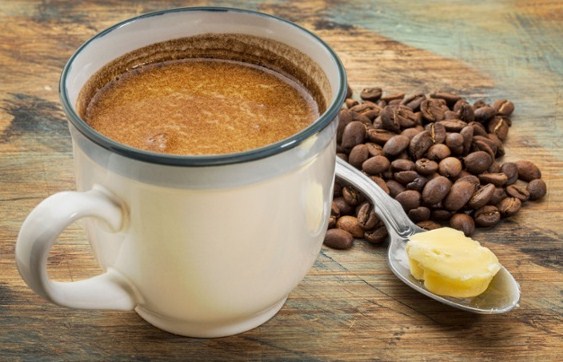
BULLETPROOF COFFEEDo you know about coffee mixed with butter? Yes, butter. This is the latest trends to drink a coffee that can increase your energy and help you lose weight. If you do not like, maybe it feels weird. it is called "Bulletproof Coffee", because in addition to reducing the weight and increase energy, this bulletproof coffee also increases our brain function. Surprisingly, the butter will have this superiority if blended with coffee, not smeared on bread or crackers.

The butter that mixed in coffee is not just ordinary butter and also not just any coffee. The butter must be fresh from dairy cows that fed grass (grass-fed butter) while the coffee bean with low toxins, not the coffee bean that you find in the supermarket or coffee shop.It is Dave Asprey, the creator of Bulletproof Coffee, coffee blended with butter.

He said that the caffeine in coffee normally give you a boost of adrenaline in the beginning, but in a few moments you will eventually feel otherwise. This low toxins coffee made by Bulletproof contains MCT oil, which is a mixture of coconut and palm oil, and has a healthy fat.

" It's about how you feel two hours later," says Asprey. " 
"With regular coffee, you will feel tired food craving and two hours later. Bulletproof Coffee does not cause such, it gives you a huge boost compared to normal coffee," he added, as quoted by FoxNews, Tuesday (02/25/2014).

 Asprey added MCT oil is digested faster than other fats so that  increase energy and accelerate weight loss. "When you mix coffee with butter and low toxin octane oil or MCT oil, the butter will break the desire to eat and give things the brain needs, including micronutrients. This is a prevent inflammation of the brain," he explained.

Actually, the practice of adding the butter in a drink is not a new thing. For generations, people have made the Tibetan yak butter tea. In fact, Asprey itself spawned the idea of mixing the butter in his coffee after trying yak butter tea in Tibet three years ago.

BULLETPROOF COFFEE : YES OR NO ?

This coffee that mixed with butter flavors such as latte. How exactly is this butter coffee from the side benefits to the body?

"There is no scientific proof to support the idea that adding butter in the coffee gives an extra energy boost or help you lose weight," says dietician licensed, Tanya Zuckerbrot.

"However, this claim may have some benefits based on what we know about fat and digestion," he added.

Zuckerbrot said, " humans need fat in their diets, partly because it helps the body absorb the nutrients in the food they eat. "We also know that fat slows digestion," he said.

"Therefore, in theory, the butter can slow the absorption of caffeine into the bloodstream. This will result in prolonged energy boost than you might feel if you drink coffee without fat," said the author of Miracle Carb Diet: Make Calories and Fat Disappear this.

However, butter is very high in saturated fat, and some health experts warn that it may increase the risk of heart disease and stroke. While this drink will make you feel full, it should be noted that adding two tablespoons of butter in coffee also to make bulletproof coffee will add about 200 calories to the body.

SEE ALSO:

5 COFFEE TRENDS YOU MUST KNOW

- BENEFITS OF CAFFEIN FACTS

- CAFFEINE ADDICTION AND CAFFEINE OVERDOSE SYMPTOMS

5 COFFEE TRENDS YOU MUST KNOW

1:19 AM
5 COFFEE TRENDS YOU MUST KNOW

According to the data, Americans are obsessed with coffee. Nearly 60% of Americans 18 years old and over like drinking coffee. According to the National Coffee Association's 2015 trends report, this year's coffee drinking habits increased by almost 80%.

As you've heard, a lot of benefits from coffee. Is associated with weight loss, it is likely to reduce the risk of symptoms such as diabetes and cancer, and can burn your calories. although coffee has many benefits, it does not mean you have to drink your coffee without stopping. You still could be better with a healthy lifestyle.Below is a coffee trends is on the rise lately. Some are useful, some which did not bring out anything.

SEE ALSO: BENEFITS OF CAFFEIN FACTS


POUR OVER COFFEE METHODS

POUR OVER COFFEE METHODS

Perhaps some think that this pour over method is the easiest method to make coffee. But not. Pour over method is not just pour hot water only. Of course basic things like coffee powder fineness, water temperature, becomes noteworthy. Therefore, if you do not hurry, pour over it suitable for use because this method takes time and should be enjoyed in the brewing process. Some baristas using the scale and timer in using pour over.

SEE ALSO: HOW TO USE A CHEMEX ON THE RIGHT WAY


COLD COFFEE BREW

COLD COFFEE BREW

Brewing a cold coffee is very different when compared to hot coffee. Not 5 or 10 minutes as in the brew the coffee with hot water, but it takes about 12 hours or more to filter caffeine that is in coffee. Because according to cold brew fans, this method is believed to be more smooth and not bitter. Cold brew also tends to have less caffeine. So, if you want to drink coffee with a light density, either caffeine or bitterness, cold brew is the right choice.


SINGLE-ORIGIN COFFEE

SINGLE-ORIGIN COFFEE

Coffee makers often mix up some coffee beans to create a sense of a little more complex. For example, they may mix beans with other thick profile which has a fantastic aroma, or combine the beans with various flavor profiles. "Single-origin" means coffee made from beans grown in one geographical area, or even a particular farm, instead.

So what are the benefits? You can get a new taste experience and a unique quality may not be obtained only from one source of seed, which is influenced by things like climate, soil, elevation, biodiversity, and maintenance techniques. Coffee beans from one farm in Ethiopia would have a very different characteristics from those grown in Brazil or Guatemala, and serious coffee lovers appreciate or thinking of the coffee farmers.

Two other main reasons single origin are becoming more popular because it involves the sustainability and traceability. As a coffee buyer, they develop relationships with coffee farmers particular, farmers often can receive higher prices for their crops, using techniques that are more environmentally friendly agriculture, and maintain the condition of their land, all of which help to improve people's welfare, and sustainability.

SEE ALSO: GUIDE TO COFFEE CUPPING AND COFFEE TASTE


EDIBLE COFFEE CUP

EDIBLE COFFEE CUP

Edible coffee is coffee that can be eaten. Initially, coffee cup innovation  that can be eaten is the creation of Alfred Coffee & Kitchen, Melrose Place in Los Angeles. Therefore, this cup is called Alfred Cone. Shaped like an ice cream cone in general, but its size is smaller because it is usually used for macchiato cups or espresso and chocolate coated.

This trend is increasingly in demand by the people. over time, customization occurs on edible coffee, which is initially coated ice cream cone, now you can add other things such as yogurt, pudding, brownies, or cookies.


BULLETPROOF COFFEE BLEND

BULLETPROOF COFFEE BLEND

The Bulletproof coffee blend is made by a businessman named Dave Asprey technology. This controversial formula involves a combination of coffee, butter, and bulletproof branded "Oil Octane Brain" made from coconut and / or palm kernel, which is rich in fat shown in some studies to improve the ability to burn calories. This drink is believed to support the diet program.

CHLOROGENIC ACID LEVELS AND COFFEE ROASTING

3:02 AM
CHLOROGENIC ACID LEVELS AND COFFEE ROASTING

CHLOROGENIC ACID LEVELS AND COFFEE ROASTING - The processing of coffee, including coffee roasting, could not be separated from the various chemical processes. The chemist and coffee lovers are usually familiar with chlorogenic acid, a group of natural acids contained in coffee beans, and usually decompose even lost during the roasting process. While it is often discussed in the research journal of food science, health, and food chemistry, there are still many mysteries behind the chlorogenic acid, including the actual effect on us when roasting and drink coffee.

OVERVIEW OF CHLOROGENIC ACID

Basically, chlorogenic acids are a group of natural acids produced in a variety of crops, including coffee. Arabica coffee beans were still green (green bean) is that most of this acid-containing groups, which could be 9%. However, this number can be affected by many things such as climate, soil type, the environment, and genetic factors. The chlorogenic acid itself function as a natural defense mechanism and gave an indication or alarm events in the interaction between plants and microbes in the soil where its grew up.

Chlorogenic acid has been the object of research and observation, but the benefits of this acid on the body condition of the coffee drinkers have never really known in detail. However, one thing is certain: these acids undergo massive changes and affect the taste of coffee when coffee was roasted.

CHLOROGENIC ACID LEVELS AND COFFEE ROASTING


CHLOROGENIC ACID LEVELS AND COFFEE ROASTING

Chlorogenic acid slowly decomposes when the coffee beans roasted.The longer the roasting process, the more acidic compounds were decomposed so that the acidity of the coffee decreases. Levels and reduced rates of acidity will vary depending the roasting process details. However, experts argue that the chlorogenic acid decomposes as much as 60% in the medium roast and 100% in the degree of dark roast. Type of acid contained in this acid group such as kafeat acid and quinat acid also decompose in the roasting process. It was later affecting the taste of coffee.

Scientists have different opinions about what happens to the components of chlorogenic acid which decomposes. Partly possibilities break down into byproducts such as catechol and phenol, but there is also research that indicates that this acid decomposes into volatile products or even decompose through Maillard reaction method.

IS THERE ANY BENEFITS OF CHLOROGENIC ACID?

The real benefits of chlorogenic acid and the breakdown is not certainty known. However, this acid is considered to have a certain effect on the body because the acid is arguably a kind of natural antioxidants. Although not yet known the effects for the health, natural antioxidants in coffee potentially have a positive effect for the condition of the body.

Finally, experts argue that the decomposition process of chlorogenic acid has the possibility of giving certain characteristics to the coffee taste. Unfortunately, there is currently no definitive research results about the link between chlorogenic acid decomposition in the process of roasting coffee beans with a specific taste.

SEE ALSO:

- TYPES OF ROASTED COFFEE BEANS BY DEGREE LEVEL

- COFFEE ACIDITY TASTE DEFINITION

- BENEFITS OF CAFFEIN FACTS

ESPRESSO COFFEE MAKER

12:53 AM
ESPRESSO COFFEE MAKER

Tracing the beginning tracks of espresso coffee maker is not an easy matter. Understanding the development and narrowing the meaning of espresso more or less will help us understand better about what is espresso. 'Espresso', This word now often identified with cafe. Almost every time when we go to the cafe, they have a menu of espresso in it. In fact, almost all coffee-based beverages such as cappuccino, frappe, and cafe latte, using a mixture of espresso in the making. However, did you know espresso that we drink now is not espresso drunk by the Italians in the early 1900s?

What is  espresso actually? SCAA (Specialty Coffee Association of America), the organization that oversees coffee specialty in America, defined espresso as:

"Espresso is 45 ml drink served from 7-9 grams of coffee with a 88-92 Celsius degrees water temperature and a pressure of 9 bar, where the level of fineness of the coffee grounds are arranged so that the extraction time of about 22-28 seconds. When brewed, espresso will have a viscosity like warm honey and produced golden yellow crema on the coffee. Espresso is usually prepared specifically and presented directly to the consumer."

This definition is quite tight due to set various parameters that exist when making the espresso, such as volume, time, pressure, and even a visual display and presentation. But, when the world knowing espresso for the first time may be different from what is defined by the SCAA. Let us back for a moment to 1906, when the espresso machine is first created.

ESPRESSO COFFE MAKER  HISTORY

Steam powered coffee makers began to be made in the 19th century when the central European nation devoted to the coffee. This machine was created after many complaints about the old-style coffee brewing process that is slow. From various types of machines are created, Italian-made machine by Angelo Moriondo be the first machine that combines a patented brewing technique with water and steam. However, Luigi Bezzera is the one to enhance the engine by adding new elements, such as the portafilter, as well as turning them into a first single shot espresso machine.

Bezzera then formed a partnership with Desiderio Pavoni to enhance the machine. Pavoni bought the patent rights in 1903. Pavoni created numerous changes to enhance the machine, for example by adding a pressurized pipe to pour coffee without having to make the barista exposed to splashes of hot coffee because the suddenly released pressure.

ESPRESSO COFFEE MAKER

In 1906 in Milan, Luigi Bezzera and Desiderio Pavoni introduced "Cafee espresso" when they brought the machine to the  Milan Fair show. The name "Cafee espresso" means  quick coffee made (express).The term of  "Espresso Machine" is becoming increasingly popular then appear more unique and variety shapes. Previously, when it took about 4 minutes to brew coffee, their coffee brewing machine creation only takes about 1 minute or less. The machine capacity was calculated exceptionally for about 1,000 cups of coffee per hour.The machine capacity was calculated exceptional: 1,000 cups of coffee per hour. At that time, espresso machine uses hot steam temperatures around 100 degrees Celsius and a low pressure around 1.5-2 bar to brew coffee. Sure it is different if we compare it with the SCAA definition above.

The first espresso machine makers realize deficiencies that the water temperature produced from that machine is too high, thus make the espresso taste becomes bitter. Then appears a solution to increase the extraction pressure to get a lower temperature, so it would not make the coffee tasted hirst. However, it was a last long search of this solution and solved after World War II by Achille Gaggia.

ESPRESSO COFFEE MAKER

Gaggia made a lever type espresso coffee machine which use a pistons and levers to provide water pressure of 8-10 bar. The piston must pass through a small cylinder so that the barista is able to pull the lever with easily enough, thus limiting the volume of water for extraction around 60 ml. Then it  becomes the "basic standard" of the modern espresso machine. Another important point of this Gaggia creation is the 'crema', which arise when coffee was given high pressure. To convince their customers, Gaggia named the product "caffe crème". He told their customers that the coffee produced by his machine has a high quality, so it produces a "Cream or Crema" on it. While in fact at that time, he had not fully understand the significance and characteristics of 'crema' itself. What a brilliant marketing tactics.

Finally, the appearance of the modern espresso machine in 1961 that pioneered by Ernesto Valente, with his machine 'Faema E61', marked the beginning of the latest espresso machine developments as we know today. Instead of relying on manual pressure on the lever, Faema E61 use a motor pump to produce 9 bar pressure. In its development,  E61 technology becomes a reference of existing espresso machine innovations.Espresso we drink recently actually is a 'caffe creme', not 'original' espresso which was first introduced by Bezzera and Pavoni.

ESPRESSO COFFEE MAKERESPRESSO COFFEE MAKER

As time goes by, the popularity of Gaggia machine creation is growing, until finally defeating the Bezzera machine creation. Espresso that appears at the beginning of 1906 itself eventually became extinct because all the cafes choose to use Gaggia machine. At that time, there was a shift definition about espresso, caffe crème where finally called as espresso.

The conclusion, the espresso that we drink now actually a caffe creme, not 'original' espresso that introduced by Bezzera and Pavoni. So, can we still sip 'original' espresso? Sure. If you want to try, you can use moka pot. The working principle of moka pot is almost the same as the 1906 Bezzera espresso machine, where the extraction uses a steam and its only  1.5-2 bar of pressure.So, want to drink an espresso or caffe creme?That is all about espresso coffe maker.

SEE ALSO:
THE BASIC OF COFFEE BREWING METHODS
HOW TO MAKE ESPRESSO COFFEE
ESPRESSO MACHINE REVIEWS